June 29, 2026
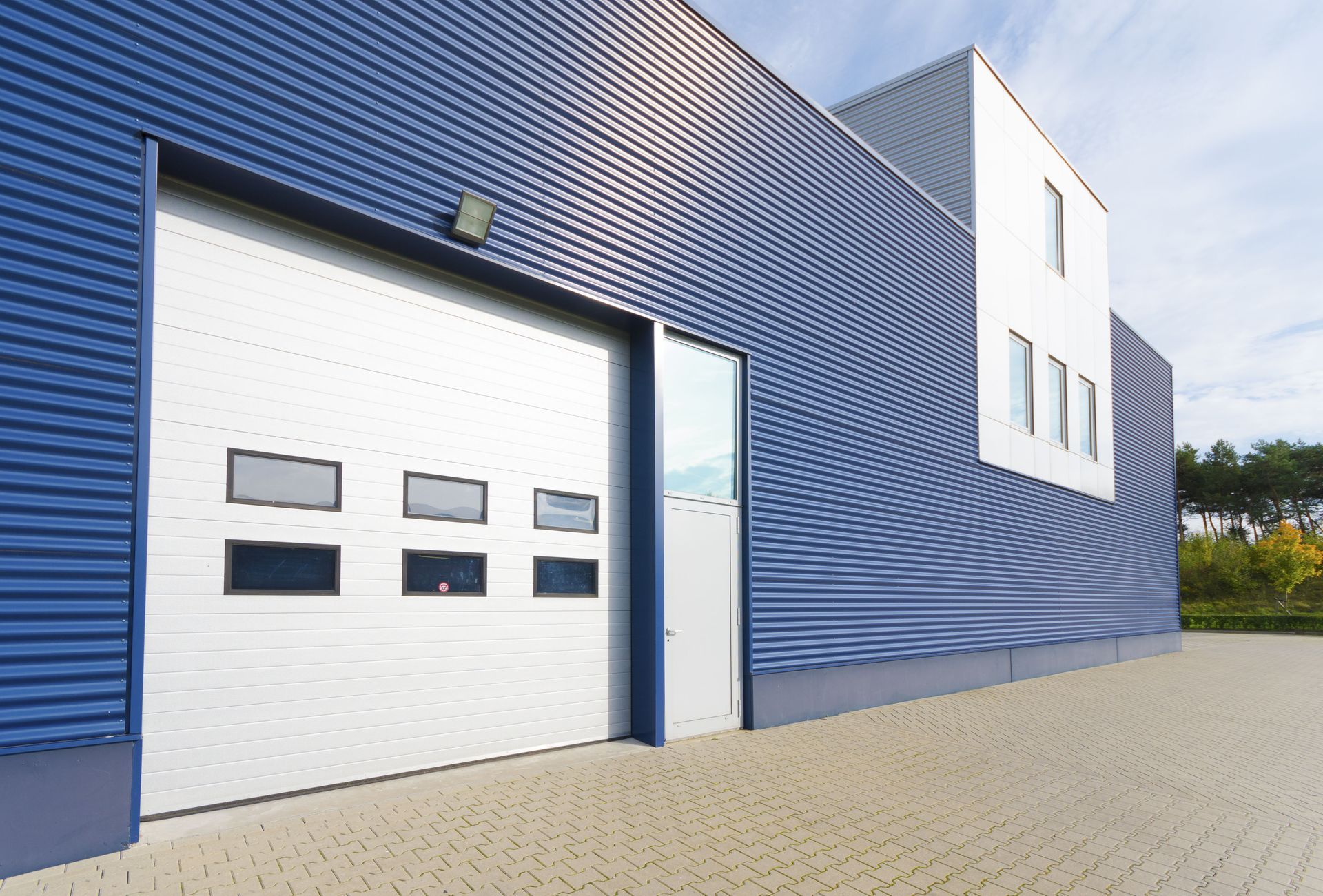
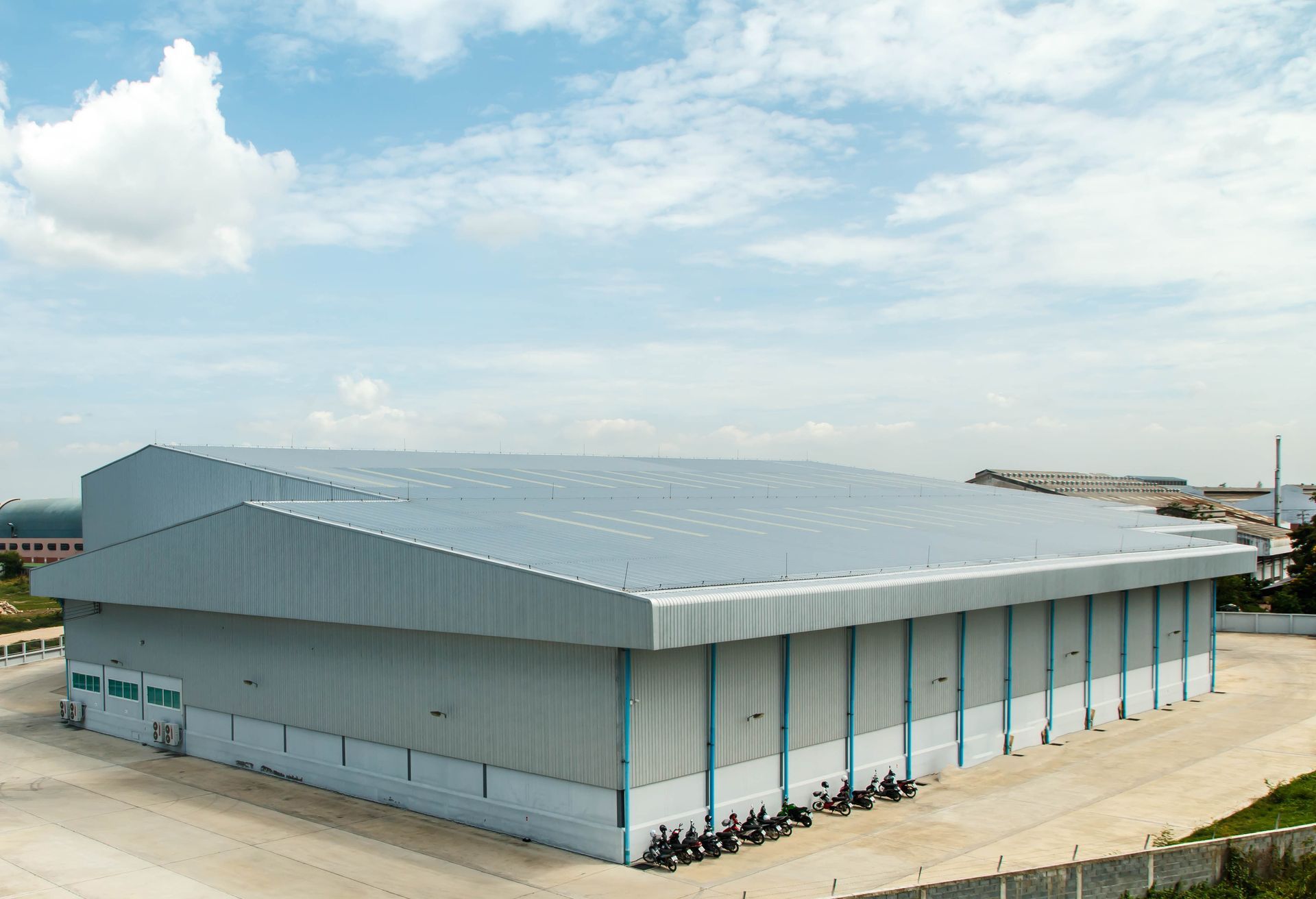
The skyline of the modern city is changing rapidly, driven by a philosophy that fuses minimalism, structural boldness, and high-performance engineering. At the heart of this transformation is architectural metal. Once reserved for internal skeletal frameworks or industrial warehouses, metal has stepped into the spotlight as a primary driver of contemporary design aesthetics and functional excellence. From shimmering aluminum composite panels and weathered steel facades to intricate copper accents and custom-molded zinc panels, architectural metal offers a level of versatility that traditional brick, wood, or concrete simply cannot match. However, translating these complex design concepts into physical structures requires more than just high-quality materials; it demands precision engineering, localized geographical expertise, and flawless execution. When planning a modern commercial or residential build, partnering with a qualified local architectural metal contractor ensures that the architectural vision is structurally sound, compliant with regional building codes, and meticulously detailed.
Redefining Aesthetic Boundaries
One of the most striking aspects of modern architecture is its rejection of static, monolithic surfaces. Architectural metal allows designers to manipulate light, shadow, and texture in ways previously thought impossible. Metal panels can be perforated, corrugated, embossed, or coated in an infinite spectrum of finishes, enabling buildings to dynamically interact with their surroundings. During the day, a brushed aluminum facade might reflect the shifting colors of the sky, while at night, integrated LED lighting can transform a perforated steel screen into a glowing urban tapestry. Working alongside a skilled local architectural metal contractor allows architects to explore these avant-garde design choices without sacrificing structural viability. These specialists understand how different metal finishes react to sunlight, pollution, and coastal humidity, ensuring that the chosen aesthetic remains vibrant and free from premature tarnishing or discoloration over decades of exposure.
Elevating Structural Durability
Beyond its undeniable visual appeal, metal is celebrated for its unmatched strength-to-weight ratio and longevity. Unlike wood, which is susceptible to rot, pest infestation, and warping, or concrete, which can crack and degrade under severe freeze-thaw cycles, architectural metals like stainless steel, titanium, and treated aluminum retain their structural integrity under the harshest environmental pressures. This resilience is particularly critical in regions prone to extreme weather, such as high-velocity hurricane zones, heavy snowfall areas, or dense urban corridors with intense wind-tunnel effects. A knowledgeable local architectural metal contractor understands how different alloys behave under localized environmental stresses. They possess the engineering expertise to calculate wind load requirements, implement appropriate fastening systems, and mitigate the risk of galvanic corrosion—a destructive chemical reaction that occurs when incompatible metals come into direct contact in a moist environment.
Advancing Environmental Sustainability
In an era where green building practices are no longer optional but mandatory, architectural metal stands out as a champion of sustainable development. Metals are inherently circular materials; they can be recycled repeatedly without any degradation in quality or performance. This significantly reduces the carbon footprint associated with extracting raw ores and manufacturing virgin materials. According to recent data from the American Iron and Steel Institute, a significant majority of the structural steel fabricated across North America is comprised of at least 90% recycled material. By consulting a local architectural metal contractor, developers can source materials that maximize LEED credits, optimize resource efficiency, and support regional recycling infrastructures. Furthermore, metal roofs and cladding systems are ideal hosts for solar panel integrations and rainwater harvesting systems, making them central components of modern, net-zero energy building designs.
Maximizing Thermal Efficiency
A common misconception is that metal buildings are inefficient when it comes to temperature regulation due to the high thermal conductivity of metals. In reality, modern architectural metal systems are engineered to be highly energy-efficient when integrated into advanced building envelopes. Insulated metal panels (IMPs) feature a core of rigid foam insulation sandwiched between two metal skins, providing superior thermal performance and an airtight seal that drastically reduces heating and cooling costs. Additionally, ventilated rainscreen systems utilize metal cladding to create an air cavity between the exterior panel and the building's weather barrier, allowing moisture to escape while deflecting solar heat gain. An experienced local architectural metal contractor can implement advanced rainscreen systems tailored to the specific microclimate of the construction site, ensuring that the building's HVAC load is minimized and indoor air quality is preserved.
Mastering Complex Geometries
Modern architecture frequently rejects standard right angles in favor of sweeping curves, dramatic cantilevers, and complex fluid geometries. Executing these radical shapes requires materials that can be precisely manipulated without losing their structural strength. Metals can be stretched, rolled, stamped, and laser-cut into highly intricate, three-dimensional configurations that would be impossible to achieve with masonry or timber. This is where the expertise of a premier local architectural metal contractor becomes invaluable. Through the use of advanced computer-aided design (CAD) and building information modeling (BIM) software, these professionals can pre-fabricate complex metal components off-site in a controlled factory environment. This high-tech fabrication process ensures millimeter-level accuracy, reduces material waste on the construction site, and significantly accelerates the overall project timeline.
Guaranteeing Professional Execution
No matter how innovative or breathtaking an architectural concept is on paper, its ultimate success hinges entirely on the quality of its installation. Metal fabrication and installation require a highly specialized skill set that general construction crews rarely possess. Choosing a certified local architectural metal contractor guarantees that the installation process is handled by trained tradespeople who understand the nuances of thermal expansion and contraction. Metals expand when heated and contract when cooled; if an installer fails to account for this movement by leaving improper joint tolerances, the panels can buckle, warp, or oil-can, completely ruining the building's aesthetic and compromising its weatherproofing. Ultimately, a reliable local architectural metal contractor bridges the gap between ambitious blueprints and physical reality, managing everything from structural engineering reviews to final safety inspections with absolute precision.
Streamlining Maintenance Logistics
Maintaining the pristine appearance of a building exterior over several decades requires foresight and a practical approach to material upkeep. Unlike traditional siding materials that demand frequent painting, sealing, or deep chemically intensive power washing, architectural metal systems are engineered for minimal long-term intervention. Most modern aluminum, zinc, and coated steel finishes naturally resist mold growth, stubborn dirt accumulation, and UV degradation. When you collaborate with an experienced local architectural metal contractor, they can design accessible drainage and clean-out points tailored specifically to your building's orientation. This proactive integration eliminates expensive specialized maintenance rigging later on, allowing your property to retain its striking, crisp architectural silhouette with nothing more than routine, low-cost rinsing.
Architectural metal has fundamentally rewritten the rules of modern building design, offering an unparalleled blend of aesthetic freedom, structural resilience, environmental sustainability, and thermal efficiency. As cities continue to densify and climate realities demand more durable infrastructure, the reliance on high-performance metal systems will only intensify. However, the path to a flawless, long-lasting metal installation requires the specialized touch of true industry professionals who understand the unique physical and environmental challenges of your specific region. By collaborating with a dedicated local architectural metal contractor, you can transform your next construction project from a standard building into an iconic, high-performing architectural landmark.
At Innovative Building Concepts, we bring years of specialized fabrication and installation experience to every project, ensuring your vision is executed to the absolute highest standards of quality, safety, and modern design. Contact our team today to discover how we can elevate your next building endeavor into a masterwork of modern engineering.